
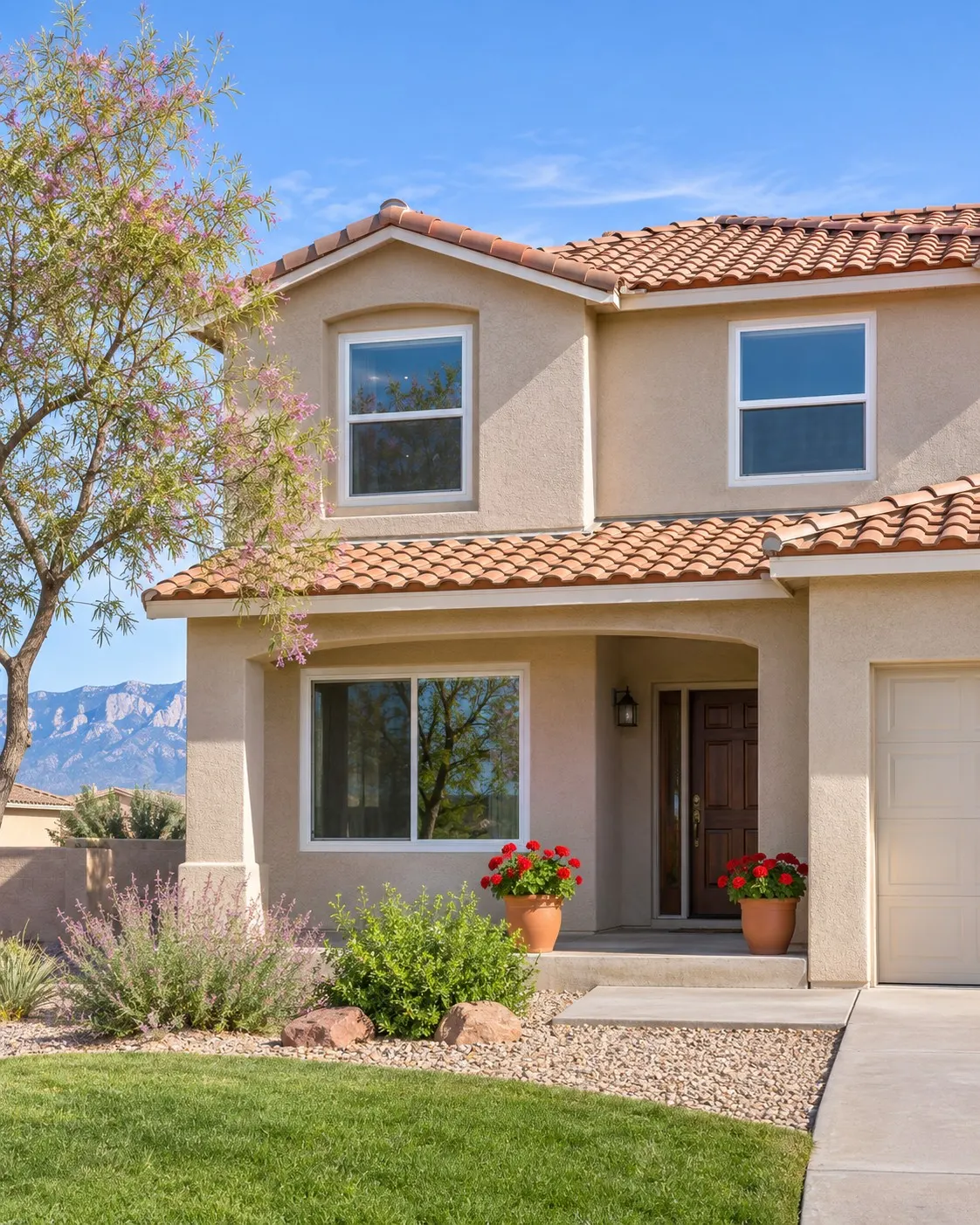
Why screens fail here
Builder windows often came with lightweight roll-formed screen frames held in by small spring tabs. Strong gusts flex the frame until it pops out of the channel. Once bent, it never sits right again. Add UV that makes mesh brittle and dust that clogs it, and screens become one of the first things to go.
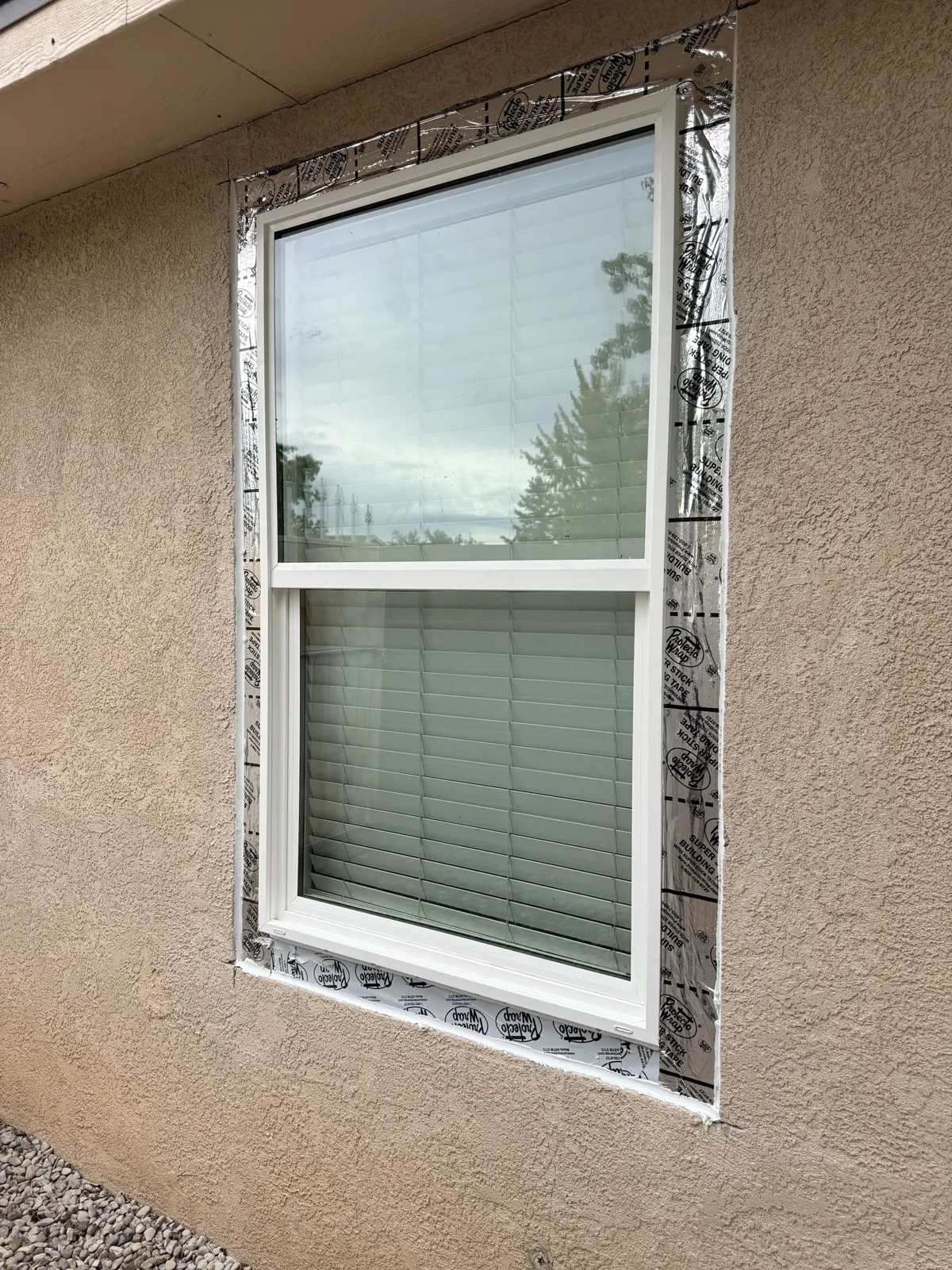
What makes a sturdier screen
- Extruded frames instead of thin roll-formed ones. They're stiffer and stay straight.
- Full-length retention: screens held along the whole edge, not by two small tabs.
- Corner strength: reinforced corners resist racking.
- Mesh choice: standard fiberglass, heavier pet-resistant mesh, or solar mesh that cuts some heat on west windows.
Casement screens are protected
Casement and awning windows mount their screens inside the house, where the wind can't reach them. On the windiest walls, that alone is a reason to choose casements.
Keeping screens in place
- Check that each screen sits fully in its channel before wind season.
- Replace bent screens instead of forcing them back in.
- Vacuum mesh gently a few times a year to clear dust.
Replacements without new windows
If your windows are in good shape but the screens are not, replacement screens can often be ordered on their own. When we replace windows, we choose lines with sturdy screens from the start. Call (505) 572-0939 with questions.
Questions we hear about this
Why do my screens keep blowing out?
Lightweight frames held by small tabs flex in strong wind and pop out. Stiffer extruded frames hold better.
Which windows keep screens out of the wind?
Casements and awnings, which mount screens on the inside.